Successful HubSpot CRM implementation for SMEs starts with one principle: build a system your team will actually use. In Singapore and Southeast Asia, CRM implementation becomes more complex because businesses often manage multiple countries, sales teams, communication channels, and languages at the same time.
Smart SMEs keep their CRM structure simple, standardise processes early, and focus on adoption before advanced automation.
This guide explains:
- What are some issues SMEs may struggle with during implementation
- What SMEs should prepare before implementing HubSpot
- An 8 step HubSpot implementation process
- The difference between setup and long-term adoption
- FAQ
What are some issues SMEs may struggle with during implementation?
From our experience at NetFarmer, SMEs in Asia often face the same implementation problems, regardless of industry:
- no clear internal owner for the implementation project
- unclear lead management or handoff process
- poor data quality from legacy spreadsheets or older systems
- too many custom properties or workflows too early
- weak alignment between marketing and sales
- limited time for onboarding and team training
In Singapore and Southeast Asia, these issues are often harder to solve because SMEs may also be managing country-specific workflows, multilingual data, regional sales ownership, and lead capture across several communication channels.
Why HubSpot implementation is different in Singapore and Southeast Asia
Most HubSpot playbooks assume a single market, a shared language, and linear email-driven sales cycles. That assumption breaks quickly in Southeast Asia.
Global HubSpot models often assume:
- One primary market
- Email-led sales cycles
- Linear lead progression
This does not reflect reality in the region.
For example:
- WhatsApp and WeChat often carry key sales conversations
- Leads require territory-based routing across countries
- Data includes mixed naming conventions across languages
- Teams operate with different local sales processes
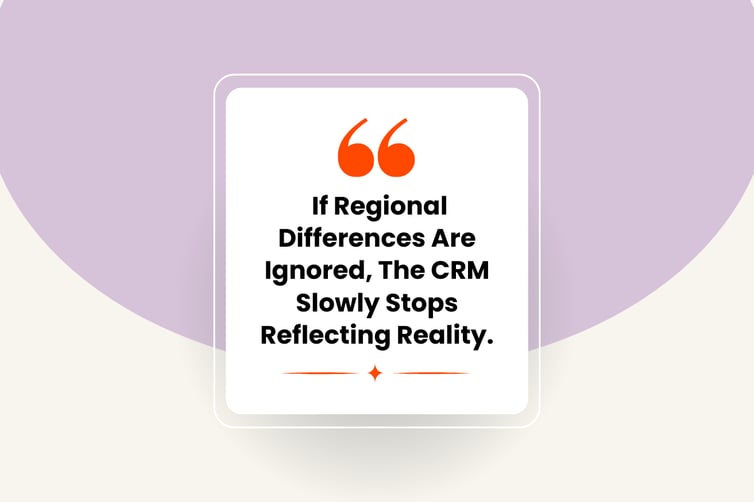
If these regional differences are ignored, the CRM slowly stops reflecting reality.
Still trying to pick out a CRM that fits your business?
See how narrowing down your picks to a few essential CRM features can help you make a more informed decision when choosing a CRM.
What SMEs should prepare before implementing HubSpot
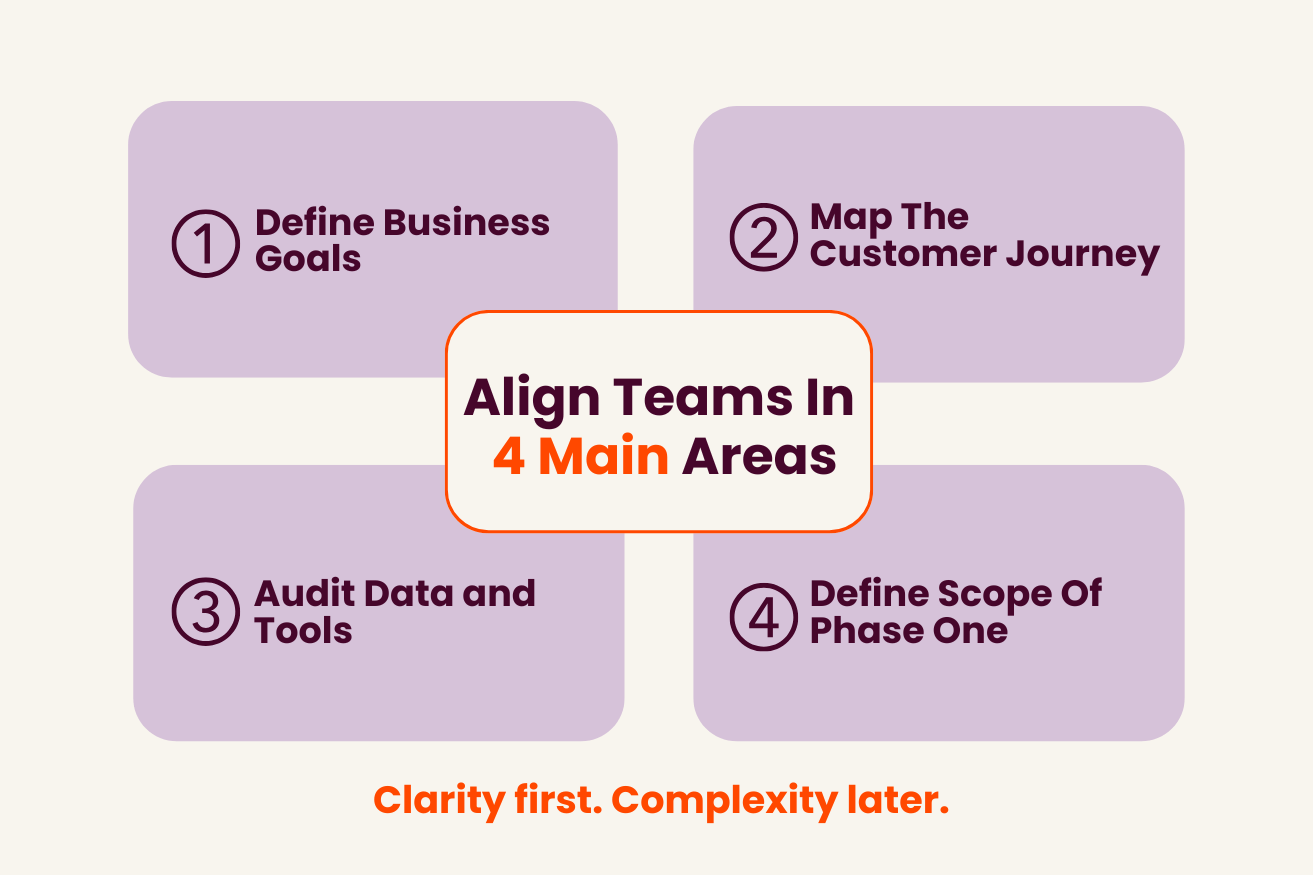
Before you start implementation, SMEs should align on four areas:
1. Define business goals
Start by identifying what the HubSpot needs to solve.
Common priorities include:
- lead generation
- response speed
- sales follow-up
- visibility across the pipeline
- campaign attribution
- reporting across teams
For regional SMEs, goals should also reflect market-level visibility. For example, which countries generate the highest-quality leads, where handoffs slow down, and which channels perform best across Southeast Asia.
2. Map the customer journey
SMEs should document how leads move from first touch to closed deal.
This includes:
- leads sources
- qualification criteria
- lifecycle stages
- sales handoff points
- follow-up processes
- customer retention or post-sale communication
This step matters even more for businesses managing multilingual conversations or lead flows across forms, email, WhatsApp, and partner referrals.
3. Audit current data and tools
Review the systems and data already in use before migration begins.
This usually includes:
- Contact databases
- Spreadsheets
- Legacy CRM data
- Website forms
- Marketing tools
- Sales inboxes
- Region specific messaging platforms
For multi-region SMEs, standardising naming conventions for country names, phone formats, lead sources, and language fields early prevents reporting issues later.
4. Define the scope of phase one
Keep the first rollout focused on essentials.
Phase one usually includes:
- contacts and companies
- key deal properties
- lifecycle stages
- one main pipeline
- lead capture setup
- basic automation
- core reporting dashboards
A narrower rollout improves adoption, reduces confusion, and makes optimisation easier after launch.
How can SMEs implement HubSpot successfully? (An 8-step guide)
Step 1: Build the right CRM foundation
The first step is setting up the core CRM correctly. That includes:
- contact and company structure
- essential record properties
- lifecycle stages
- lead status definitions
- deal ownership rules
- naming conventions
This foundation matters because every report, workflow, and automation later depends on it.
Do not build every property and workflow on day one. A simpler data structure is easier to manage and more likely to be used properly by the team.
Step 2: Clean and structure data before migration
If data is inconsistent at migration, reports like conversion rates and pipeline value become unreliable within weeks. Before migrating any records into HubSpot, SMEs should:
- remove duplicates
- standardise company and contact information
- align old fields to new HubSpot properties
- decide which historical data is actually useful
- preserve only the context that supports reporting and sales execution
A clean migration improves reporting accuracy and prevents long-term confusion for marketing and sales users. This is particularly important for regional teams handling multilingual or multi-format data.
For a more detailed guide, check out our article on "How to fix fragmented and messy data in your CRM".
Step 3: Set up one clear sales process first
Many SMEs overcomplicate their pipeline design. A better approach is to begin with one clear sales pipeline that reflects real commercial stages.
Each stage should represent a meaningful step in the decision-making process, such as:
- new inquiry
- qualified opportunity
- meeting scheduled
- proposal sent
- closed won or lost
If the business operates across several markets, keep the core pipeline shared where possible, but use properties and reporting filters to distinguish countries, teams, or business lines rather than creating too many separate pipelines too early.
Step 4: Connect your lead sources and communication channels
Once CRM and pipeline foundations are in place, the next step is connecting the systems that feed lead data into HubSpot.
This may include:
- website forms
- paid media sources
- email capture tools
- chat flows
- sales inboxes
- WhatsApp, WeChat, or other region-specific channels
Many SMEs discover their “pipeline stages” don’t match how sales actually works, leading their reps to skip stages or overwrite data just to move deals forward.
Step 5: Use automation to remove friction, not add complexity
For SMEs, the best early automations are usually the simplest:
- lead assignment
- follow-up task creation
- internal notifications
- lead status updates
- basic lifecycle progression
- simple nurture workflows
The purpose of early automation is to reduce manual effort and improve consistency. It should not replace strategic thinking or add confusing steps.
Step 6: Create reporting early so teams can measure what matters
Reporting should be built during implementation, not after it. SMEs need visibility into whether the system is helping the business perform better.
Early dashboards often include these measurements for reporting:
- lead volume by source
- conversion from MQL to SQL
- deal creation trends
- pipeline value
- follow-up activity
- response time
- close rate
Step 7: Train teams by role, not just by feature
HubSpot adoption improves when each team member understands how the platform supports their daily work.
Training should be tailored by role:
- marketing teams need campaign, form, and attribution workflows
- sales teams need record management, task follow-up, and pipeline usage
- managers need dashboard visibility and reporting interpretation
- admins need process control, automation logic, and data governance
Step 8: Review and optimise after launch
SMEs should review performance after 30, 60, and 90 days by asking:
- Which workflows are being used consistently?
- Which fields are ignored or misused?
- Where are duplicate records appearing?
- Are sales and marketing using the same process?
- What reporting gaps still exist?
- Which automations are helping and which are causing friction?
Going live after implementation is not the end of the set up phase, but rather a time to optimise processes based on daily usage.
Tips from NetFarmer: Most SME implementations fail for the same reasons: too many pipelines, inconsistent data, and workflows no one actually uses.
The difference between setup and long-term adoption
Successful HubSpot CRM implementation comes from clarity, consistency, and a structure teams can realistically maintain as the business grows. In Southeast Asia, where sales processes often span multiple markets and channels, simplicity matters even more.
SMEs that get the best results usually avoid overbuilding early. They standardise core processes, keep reporting reliable, and optimise gradually over time.
If you are planning a HubSpot CRM rollout, speak with our team at NetFarmer to explore what a practical implementation for HubSpot should look like for your business.